
Fire aboard a vessel is one of the most devastating emergencies a sailor can face. Unlike shore-based fires where professional services arrive within minutes, aboard a boat you are entirely self-reliant. The confined space of a cabin transforms a small flame into an uncontrollable inferno within seconds. Statistics from maritime accident investigations reveal that 15-20% of serious marine incidents involve fire, and in 40% of these cases, the crew was unable to effectively suppress the flames due to inadequate knowledge or faulty equipment. This comprehensive guide explains the fire triangle in maritime context, EU and US Coast Guard regulatory requirements, practical suppression systems, and prevention strategies that will save lives aboard your vessel.
The Fire Triangle at Sea: Understanding Ignition Sources
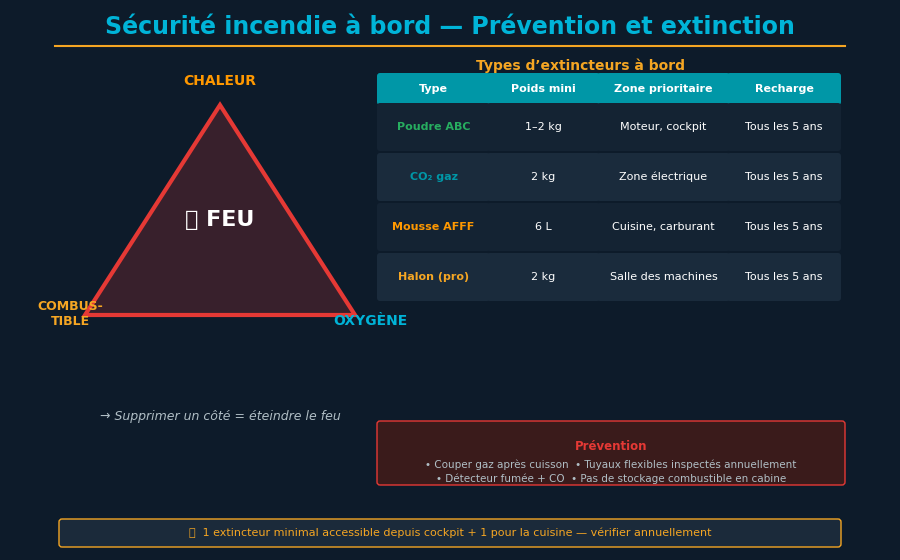
The fire triangle requires three elements: fuel, oxygen (oxidizer), and heat. Aboard a boat, each element exists in abundance, and a single spark can escalate into catastrophe within moments. Understanding these components is foundational to prevention and response.
Combustible materials aboard include diesel and gasoline (fuel tanks, jerry cans, overflow lines), liquified petroleum gas (cooking stove, heating), paint and solvents (maintenance materials), insulation (polyurethane foam, fiberglass), welding acetylene (for repairs), lithium batteries (modern power systems), plus wood and canvas (deck structures, sails). A 200-liter diesel tank carries energy equivalent to 5000 kg TNT. A single liter of fuel vaporizing in an engine room creates an explosion hazard exceeding industrial safety thresholds.
Oxygen comprises 21% of air universally. In poorly ventilated spaces (sealed forepeak, bilge area), concentration can stratify dangerously if ventilation positioning forces air toward high points rather than circulating throughout the space. Oxygen is never the limiting factor in marine fires—it is always present in sufficient concentration.
Heat sources aboard include diesel engines (180-200°C operating), gas stoves, electric heaters, faulty electrical equipment, friction (inadequately lubricated propeller bearing, seized winch), and chemical reaction (lithium thermal runaway at 45°C). An engine room temperature of 150-200°C means any fuel leak ignites spontaneously. A loosened fuel fitting spraying diesel onto the hot block results in immediate ignition.
Critical Hot Spots Aboard
Engine compartment: the highest temperature zone (150-200°C normal operation). This is where 60% of marine fires originate. Never perform diesel maintenance on a warm engine—always ensure it has cooled completely.
Battery locker: Lead-acid batteries release hydrogen gas during charging (explosive at 4-74% concentration). Lithium batteries can self-ignite above 45°C if internal short circuit occurs. Proper ventilation with dedicated air intake and outlet prevents accumulation of flammable gases.
Galley: Direct ignition source from gas stove burners. LPG is denser than air and accumulates in low points (shower sump, bilge). A small leak becomes explosive pockets within minutes.
Electrical installation: Over-sized wiring, corroded connections, or inadequate insulation create hot spots. A 50-amp main breaker feeding undersized wire (12 gauge instead of 8 gauge) will reach 200°C under load, melting insulation and exposing bare copper to flammable materials.
Extinguishers: Regulatory Requirements and Types
EU ISO 9094 standards (maritime safety equipment) and US Coast Guard regulations both mandate fire extinguishers. For vessels 6-10 meters: 2 × 2 kg dry powder ABC extinguishers. For vessels 10-20 meters: 1 × 5 kg ABC + 1 × 2 kg ABC minimum. Vessels exceeding 20 meters require automatic engine room suppression systems plus portable extinguishers per detailed risk analysis.
A 2 kg ABC extinguisher costs 50-80 EUR. A 5 kg unit costs 90-150 EUR. Extinguishers must be professionally inspected annually (stamp cost 30-50 EUR). ABC dry powder contains ammonium polyphosphate and ammonium sulfate salts that inhibit the chemical combustion reaction. It effectively suppresses 80-95% of fires within 30 seconds but leaves sticky residue that corrodes electronics and metalwork. Despite this drawback, ABC powder remains the most practical universal suppression agent for marine use.
Mandatory placement: adjacent to primary cabin exit (rapid access under emergency), near galley (direct ignition risk), and near engine room (fuel ignition source). All crew must know exact extinguisher locations and be able to locate and operate the nearest unit within 20 seconds with eyes closed. Annual drill: blindfolded, navigate to each extinguisher and describe proper use. Crew competency in extinguisher deployment is the single most important factor in successful fire suppression.
Specialized Extinguisher Types for Marine Use
ABC Dry Powder (ammonium polyphosphate base): Universal, effective against Class A (solid fires), Class B (flammable liquids), and Class C (gas) fires. Limitations: powder poorly penetrates insulation, does not cool (risk of reignition), and corrodes delicate electronics. Cost: 50-100 EUR per kilogram.
CO2 (carbon dioxide): Highly effective for electrical fires and Class B. Advantage: leaves no residue, safe for electronics and delicate equipment. Disadvantage: 2 kg extinguisher does not contain 2 kg CO2 (much is gaseous), requires large volume for equivalent suppression, rapidly cools to -80°C creating hypothermia risk, ineffective for Class A fires. Cost: 200-400 EUR per unit.
AFFF Foam (aqueous film-forming foam): Excellent for gasoline/diesel fires (Class B). Creates aqueous film that smothers fuel and cools rapidly. Suppression time: 20-30 seconds for a burning gallon. Modern concern: PFAS (per- and polyfluoroalkyl substances) compounds in traditional AFFF are toxic; EU regulations increasingly restrict its use. Cost: 150-300 EUR per unit.
Fire blanket (silicate cloth): 1.5m × 1.5m flame-resistant fabric, cost 40-80 EUR. Smothers Class A and B fires by excluding oxygen. Essential for galley where grease/oil fires cannot be suppressed with dry powder (powder reacting with hot oil causes violent spattering). Technique: drape blanket from 30 cm lateral distance to avoid oil spray injuring operator. Hold edges until fire is completely suppressed (at least 60 seconds).
Automatic Engine Room Suppression Systems
Automatic suppression operates 24/7 without human intervention. ISO 9094 requires "fixed flood systems" for engines exceeding 50 kW or fuel tanks larger than 200 liters. The system continuously monitors engine room via heat-sensitive detector (fusible element at 70-90°C) or smoke detector. Upon activation, pressurized agent floods the engine room, suppressing fire chemically without human action.
Modern agents include:
HFC-236fa (hydrofluorocarbon): Non-toxic, excellent cooling properties, minimal residue. System cost: 3500-6000 EUR for small engines. Limitation: ongoing environmental regulations as GWP (global warming potential) concerns mount.
Novec 1230 (hydrofluoroether): Superior to HFC-236fa, faster cooling, extremely low toxicity. System cost: 5000-8000 EUR. This is the premium choice for new installations, increasingly mandated by insurers and flag states.
Legacy Halon systems (BCF, Halon 1211): Extremely efficient—0.5-1% Halon concentration inhibits combustion chemically. Limitation: halon destroys ozone layer; production banned globally since 2010 except maintenance of existing systems. Remaining halon stocks are historical and cannot be replaced. Retrofitting to Novec is recommended when halon systems fail.
Annual system testing: verify pressure gauge points to green zone (correct system charge), visually inspect discharge nozzles for corrosion or blockage, inspect thermal detector for defects, and test solenoid valve function with 24V test switch. Professional test cost: 200-400 EUR. Neglecting annual testing invalidates insurance coverage and increases risk that system fails during actual fire.
Installation of Automatic Systems
Professional installation requires marine engineering certification and typically takes 5-10 days in a shipyard. Steps: (1) Calculate suppression agent volume (engine room volume × 2 = required capacity, providing safety margin), (2) Install stainless steel distribution piping throughout engine room, (3) Position spray nozzles strategically to ensure full coverage, (4) Install thermal detector (typically near hottest engine point), (5) Install manual solenoid valve control at helm and in engine room, (6) System pressure test and documentation. Labor cost: 2000-3000 EUR plus materials 3500-8000 EUR depending on agent chosen. Total system cost: 6000-12,000 EUR for typical cruising yacht.
Smoke and CO Detectors: Early Warning Systems
Smoke detectors meeting EN 14604 cost 30-60 EUR each. Vessels exceeding 10 meters must have detectors in all sealed compartments (cabins, galley, engine room, crew quarters). Smoke from a fire reduces visibility to zero within seconds—a detector alerts crew before flames become visible. Detectors operate on 9V battery or 220V AC with battery backup. Test monthly by pressing test button; replace batteries annually or when low-battery warning sounds.
Carbon monoxide (CO) detectors meeting EN 50291 cost 50-100 EUR each. CO results from incomplete combustion in diesel engines or diesel exhaust leaks into living spaces. Concentration of 100 ppm (parts per million) for 1 hour is lethal. A cracked exhaust manifold leaking hot gases into cabin spaces will trigger CO alarm, allowing immediate action (stop engine, ventilate, repair) before poisoning occurs. Installation: minimum 1 detector per 200 m² of habitable space, with particular emphasis near engine room boundaries.
Detector limitation: depleted battery renders detector inoperative silently. Discipline required: annual battery replacement (calendar reminder), monthly functional test (press test button and listen for alarm), and replacement of detector units every 3-5 years (heat exposure and age reduce sensitivity). A detector that never alarmed is either effectively preventing hazards or silently failed—impossible to determine without professional testing.
LPG (Propane) Installation: ISO 10239 Compliance
Propane aboard represents a major explosion hazard. One kilogram of leaked propane expands to 500 liters of gas at atmospheric pressure. Propane is denser than air and settles in low points (bilge, shower sump) creating explosive pockets undetectable to human senses. A stove pilot light igniting this pocket results in detonation.
ISO 10239 propane systems aboard require:
- Type-approved cylinder: Must be certified vessel pressure equipment, painted white, bearing manufacturer certification plate, and inspected every 10 years by authorized facility. Fill to exactly 80% volume (thermal expansion safety margin). Cost new 3 kg cylinder: 200-300 EUR.
- Gas detector: Electronic sensor detects propane at concentrations exceeding 25% LEL (Lower Explosive Limit). Upon detection, triggers audible alarm AND energizes solenoid valve to cut fuel. Cost: 150-300 EUR. Detector sensitivity degrades with pollen, salt spray, and humidity—annual functional test mandatory (test gas kit cost 30 EUR).
- Solenoid shutoff valve: Electromagnetically-actuated valve closes gas flow automatically when detector activates or manual switch is moved to OFF. Positioned immediately downstream of cylinder outlet, before regulator. Cost: 80-150 EUR.
- Dedicated ventilated locker: Cylinder must reside in a separate ventilated compartment isolated from living spaces (cockpit locker, open framework, external transom storage preferred). Ventilation: air inlet and outlet ducts each > 5 cm diameter, with outlet opening > 1 meter above waterline. This prevents accumulated gas from entering cabin air.
- High-pressure hose: Stainless steel braided hose (inner material CANNOT be standard rubber—propane dissolves rubber). Replace every 5-10 years regardless of appearance. Cost: 50-100 EUR per linear meter.
- Thermal relief valve: Fuel line must incorporate a fusible thermal relief valve rated to release at 85°C. If fire approaches the propane locker, this valve melts and opens, venting propane harmlessly to outside air rather than allowing pressure buildup leading to cylinder explosion.
Annual LPG System Audit
Professional certified audit (cost 300-500 EUR annually): (1) Soap test all connections for leaks (never use open flame—soap bubbles indicate leak), (2) Test detector sensitivity with certified test gas, (3) Verify solenoid valve opens/closes on signal, (4) Inspect all hoses and fittings for corrosion or wear, (5) Clean stove burner ports (debris restricts gas flow), (6) Verify shutoff valve at cylinder manually operates smoothly. Warning signs requiring immediate professional intervention: persistent gas odor (propane is odorless; odorant indicates system trouble), hissing from connections, or detector activating when no stove is in use.
Evacuation Plans and Emergency Flares
Establish and post a visible evacuation plan showing primary escape route (companionway to cockpit) and secondary escape (cabin window or ventilation hatch). Crew must be able to navigate to designated liferaft station and muster point within 15 seconds with eyes closed. Mark escape routes with photoluminescent tape or stickers visible in complete darkness.
Emergency flare kits must contain: 6+ aerial red flares (visible 15+ nm at night), 6+ orange smoke flares (visible day), 2+ sound signals (parachute flares for helicopter rescue). Complete kit cost: 100-150 EUR. Check expiration date annually—flares lose effectiveness after 3-4 years storage. Store in waterproof container, easily accessible in cockpit (never stored below deck where fire might destroy them before use).
Flare deployment technique: aerial red flares fired vertically with 5-10 second intervals between successive flares (allows rescue observers to establish your movement and position). Smoke flares released with wind direction advantage (upwind of your position so wind carries smoke toward rescue vessels). Sound signals fired at minimum 30-second intervals. The sequence is: fire red flare, wait 10 seconds, fire second red flare (establishes you're in defined area), then fire smoke flare continuously for 30 seconds, then space additional flares as needed until rescue vessel confirms visual contact.
Fire Response Protocols: Step-by-Step Action Plan
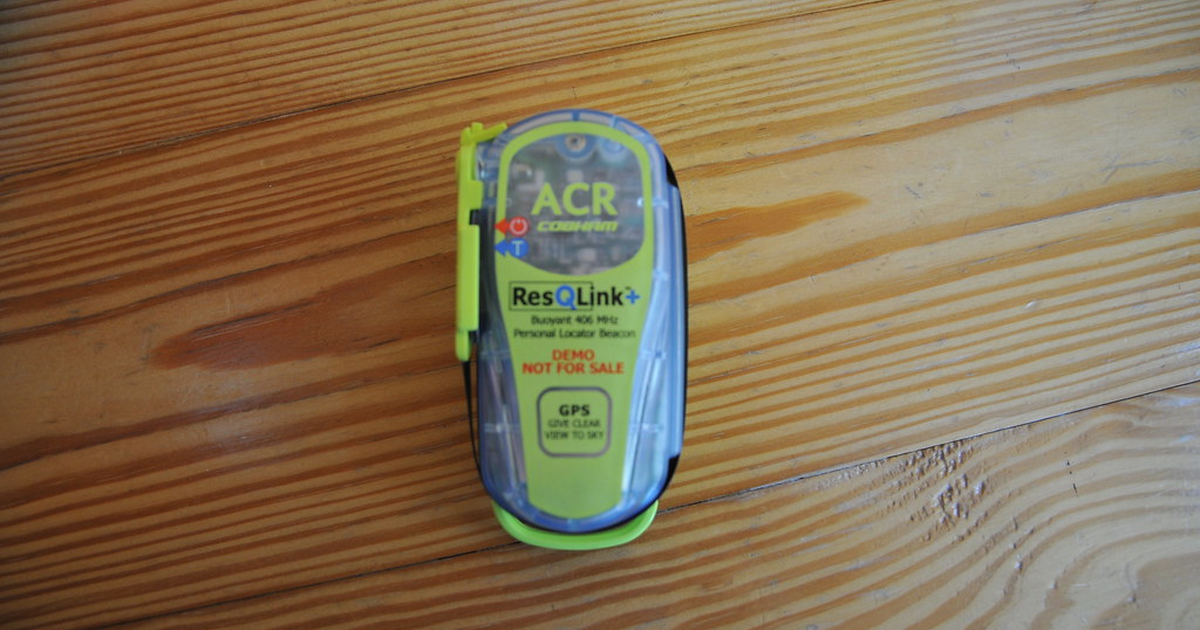
Time 0-3 seconds: Declare emergency - Sound alarm (loud voice: "FIRE! FIRE! FIRE!") - Activate automatic fire suppression system if installed - Cut engine fuel supply (place fuel selector to OFF position) - Cut main LPG shutoff (solenoid valve + manual cylinder valve) - Alert all crew with clear, loud commands: "ABANDON SHIP, FIRE AFT" (specify location) Time 3-30 seconds: Immediate suppression attempt - Maneuver boat to place fire downwind (wheel hard-to-port or starboard to position fire on lee side, preventing smoke from entering cabin) - Assigned crew member seizes closest extinguisher - If fire is galley grease: deploy fire blanket FIRST (never water on hot oil—causes violent explosion). Blanket application technique: place edge of blanket over casserole at 30 cm lateral distance, then pull blanket fully over fire and hold 60 seconds minimum until all heat is suppressed. - If fire is engine compartment: aim extinguisher at base of fire (not flames), use short 3-5 second bursts to allow powder to settle and suppress, wait 10 seconds and reassess before second burst - If fire is electrical: CO2 extinguisher preferred (no residue damage to electronics) - Second crew member prepares liferaft and retrieves critical documents (ship's papers, passports) - Continue suppression attempts if fire is contained and not spreading Time 30-120 seconds: Escalation decision - If fire is suppressed: continue monitoring for re-ignition, ventilate heavily, prepare to abandon if smoke returns - If fire continues spreading despite suppression: STOP active firefighting immediately - All crew move to exposed deck in lifejackets with harness attached - Activate EPIRB/PLB (personal locator beacon) - Deploy emergency liferaft (pull painter line to inflate) - Transmit MAYDAY: "MAYDAY MAYDAY MAYDAY, vessel [name], position [latitude longitude], fire out of control, preparing to abandon, requesting immediate assistance" - Transfer all crew to liferaft, maintain 50+ meter distance from burning vessel - Maintain MAYDAY broadcasts at 5-minute intervals until rescue vessel is 5+ nm distant - Account for all crew members, administer first aid, monitor for hypothermia
Memory Aid: "PASS" Acronym
Professional firefighters use acronym "PASS" for rapid extinguisher deployment:
P = Pull the safety pin (small ring securing handle) A = Aim the nozzle at the base of fire (not flames—aim for fuel source) S = Squeeze the trigger lever to activate discharge S = Sweep the powder stream side-to-side from left to right, maintaining aim at fire base Regular drills: each crew member practices PASS sequence 3-5 times annually, aiming extinguisher at a water-filled bucket 1 meter distant. Time to fire 3 bursts should be under 20 seconds. Familiarity breeds competence—a sailor who has physically discharged an extinguisher 20 times responds much faster under the stress of actual fire than one who has only read instructions.
Lithium Battery Fire Hazards and Safety
Lithium-ion batteries (NMC chemistry: Nickel-Manganese-Cobalt) present unique fire risk due to thermal runaway. An internal short circuit or overcharge initiates an exothermic reaction exceeding 1000°C. Traditional suppressants (water, foam, dry powder) are ineffective—only intensive cooling with CO2 or Novec 1230 provides suppression. A lithium-ion fire can persist 1-3 hours despite initial suppression attempts, making complete extinguishment extraordinarily difficult.
Mitigation strategies: (1) Replace NMC lithium-ion with LiFePO4 (safer chemistry with thermal runaway threshold > 250°C). Brands like Victron Energy, Battle Born, and Relion offer LiFePO4 systems that are inherently more stable. (2) Install sophisticated Battery Management System (BMS) that disconnects the circuit if current exceeds safe limits (typically 150A limit for household systems). Modern BMS cost 100-200 EUR per 100 Ah capacity. (3) Dedicate a separate, well-ventilated battery compartment with active cooling airflow, integrated smoke detector, and automatic CO2 suppression system. (4) Avoid cheap lithium-ion products from unknown manufacturers—quality BMS and internal protection mechanisms vary wildly.
LiFePO4 batteries with integrated BMS reduce spontaneous fire risk to practically zero under normal operating conditions. The 10-15% cost premium over older lithium-ion chemistry is justified as insurance against catastrophic failure.
Crew Training and Regular Drills
Establish mandatory monthly fire drills involving entire crew. Each drill consumes 30-40 minutes and includes:
- Minute 0-3: Captain announces fire location ("FIRE ENGINE ROOM"). Crew navigates to nearest extinguisher location with eyes closed, describing location and proper use method.
- Minute 3-8: Designated crew member retrieves extinguisher, assumes proper stance (feet shoulder-width apart, pointing nozzle at ground to test discharge). Aim at a bucket of water 1 meter distant, perform PASS sequence (pull, aim, squeeze, sweep), deliver 3-second bursts with 5-second pause between bursts to allow powder settlement.
- Minute 8-12: Second crew member deploys fire blanket and practices placing it over a designated casserole or contained fire simulator. Perform placement twice to build muscle memory.
- Minute 12-20: All crew muster at liferaft deployment station, visually inspect liferaft exterior condition, review inflation procedure, and confirm location of emergency supplies (first aid, flares, seasickness medication, sea anchor).
- Minute 20-30: Full crew dons lifejackets and harnesses, clips in to jacklines, and reviews abandonment procedures. Discuss roles: who operates EPIRB, who gathers documents, who coordinates liferaft boarding, who maintains headcount.
- Minute 30-40: Debrief: discuss lessons learned, identify areas requiring additional training, and note any equipment needing maintenance or replacement.
Insurance Coverage and Legal Implications
Marine insurance policies typically mandate compliance with fire safety standards. Non-compliance (expired extinguishers, non-functional detectors, missing suppression systems) may invalidate coverage entirely, exposing vessel owner to catastrophic liability. Insurers such as Allianz Global, AXA, and Zurich require professional fire safety audit every 5 years for vessels insured above 500,000 EUR value. Audit cost: 500-1000 EUR but often qualifies for insurance premium discount of 5-10% annually (ROI within 2-3 years).
Criminal liability: if fire causes death or environmental pollution (fuel spill), vessel operator faces potential criminal prosecution for manslaughter or environmental crimes. Evidence demonstrating proactive prevention (regularly serviced extinguishers, functional detectors, documented crew drills) significantly mitigates criminal penalties. Conversely, evidence of negligence (expired extinguishers, non-functional systems, no crew training) elevates criminal exposure substantially.
Conclusion: Culture of Fire Safety
Marine fire safety fundamentally depends on a culture of prevention, disciplined equipment maintenance, and competent crew training. A vessel with expired extinguishers, untested detectors, and crew unfamiliar with suppression protocols sails under constant threat of catastrophe. By contrast, a properly equipped vessel with automatic suppression systems, annual professional audits, and well-trained crew approximates the safety standards of commercial shipping.
Investment of 5000-10,000 EUR in fire safety systems (automatic suppression, detectors, extinguishers, blankets, flares) and 2-3 hours annually in crew drills is a rational insurance against disaster. The vast majority of serious marine fires are preventable through discipline and proper equipment. Navigating without this preparation exposes your vessel, crew, and personal assets to unacceptable risk.
Secure Your Vessel With YachtMate
Integrated smoke and CO detector alerts, automatic equipment maintenance logs, and emergency protocols accessible from your phone in crisis.
Discover YachtMate →