
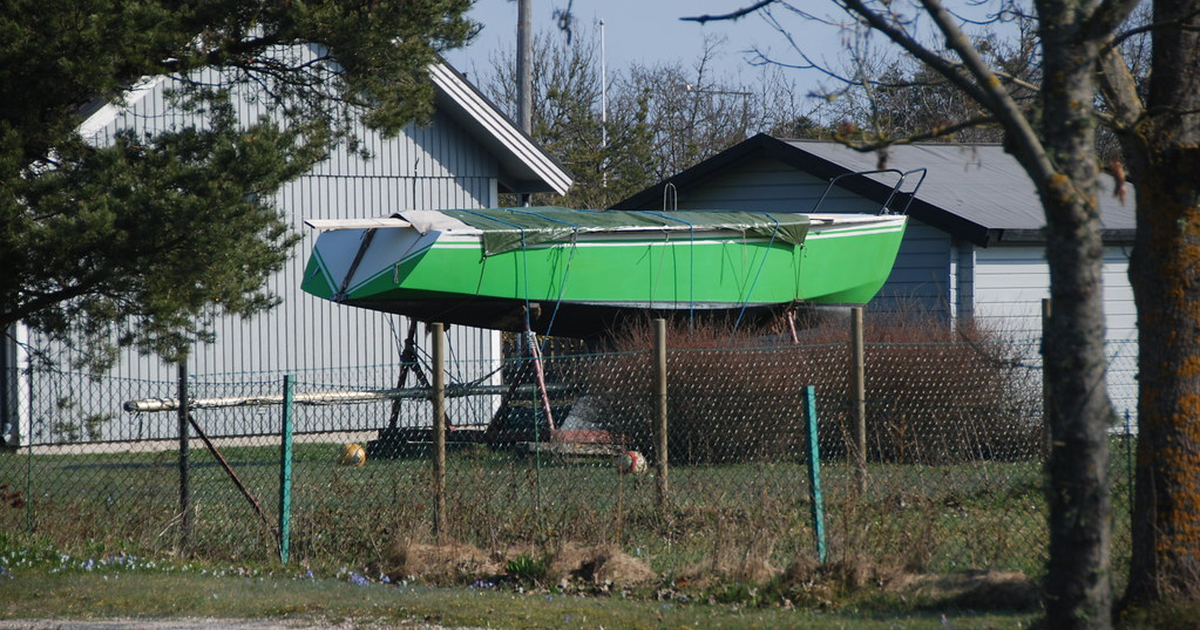
Winterization is a critical maintenance step that determines your boat's longevity and operational readiness for the next season. Whether you navigate Mediterranean waters or Atlantic coasts, preparing your vessel for winter requires methodical planning to protect all systems against freezing, moisture, and oxidation. This comprehensive checklist guides you through every essential procedure, from draining water systems and treating the engine to protecting the hull and securing navigation equipment. A properly winterized boat returns to the water in spring without mechanical or structural problems caused by seasonal dormancy.
Experienced boat owners understand that a few hours of preventive maintenance in autumn avoids weeks of costly repairs in spring. Winterization protects engine systems, plumbing, electrical infrastructure, the hull, and navigation equipment to ensure complete and professional cold-season storage. Each system requires specific procedures and appropriate products designed for marine applications to prevent freeze damage, corrosion, and degradation during the months of inactivity.
Engine and Fuel System Preparation
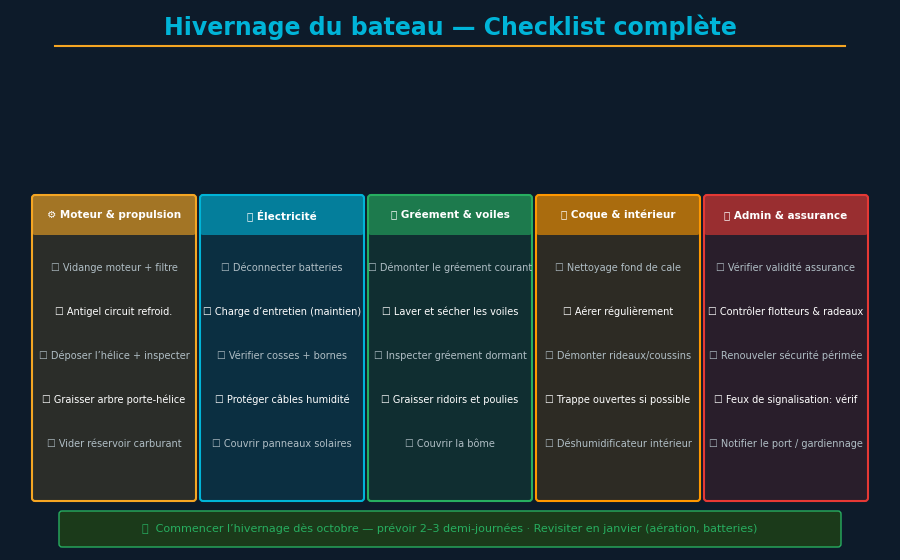
Your engine is your boat's heart and deserves particular attention during winterization. Begin by completely draining the engine oil, including the oil filter, because used oil contains corrosive acids that accelerate internal rust in winter. Refill with new oil of appropriate viscosity for the winter temperatures expected in your region. Check the engine manufacturer's specifications for winter-grade oil recommendations, as thicker winter oil flows more slowly when cold but provides better protection.
Fuel System and Cooling Protection
For diesel boats, add an anti-gel additive to the fuel to prevent paraffin crystal formation that clogs fuel filters. Drain the freshwater cooling system completely and replace it with a mixture of distilled water and marine-grade antifreeze rated for boat engine cooling systems. This fluid protects cooling lines from corrosion and prevents ice formation that could crack heat exchangers or freeze-crack the engine block.
- Air and oil filters — Replace filters with new ones to prevent winter moisture from entering the engine during spring restart.
- Glow plugs — Clean or replace glow plugs to facilitate reliable cold starting, especially critical for diesel engines in frigid conditions.
- Engine battery — Fully charge the battery and store it off the boat in a dry, temperature-controlled location, or leave it connected to a maintenance charger.
Use YachtMate's maintenance reminder feature to schedule winterization alerts in September. The app notifies you of critical upcoming steps and lets you document each completed action, creating a winterization record that simplifies spring commissioning and reveals recurring issues.
Protecting Freshwater and Sanitary Systems
Frozen freshwater is the primary enemy of a boat's plumbing systems. Water's expansion as it freezes irreparably cracks copper piping, faucets, and heat exchangers. To protect your water systems, completely drain all freshwater tanks using the manual or electric pump. Most boats have multiple water reservoirs—galley, head, hot water tank, and occasionally emergency reserves—each requiring complete drainage.
Flushing and Treating Sanitary Systems
After draining, flush all plumbing lines with filtered freshwater to remove minerals and sediment. Next, install a bypass system that allows antifreeze to circulate through every pipeline, including exterior showers, marine heads, and galley sinks. For marine toilets, empty the cassette or black water tank and rinse thoroughly with freshwater, then add a marine-specific winter biocide to prevent bacterial growth and odors during dormancy.
- Faucet seals — Grease all faucet joints with marine-grade petroleum jelly to prevent drying and cracking during months of inactivity.
- Water flow sensors — Close isolation valves and purge water lines to all deck showers to eliminate pockets of water that could freeze and damage fixtures.
- Leak detectors — Verify all water-detection sensors are functional and positioned at the boat's low points where water would naturally accumulate.
Battery and Electrical System Management
Marine batteries discharge slowly during winterization, particularly in cold conditions. A completely discharged battery can freeze and suffer permanent damage. If you leave batteries aboard, connect them to a high-quality solar maintenance charger that maintains steady charge without overcharging, providing essential trickle charging throughout winter.
Electrical Circuits and Insulation Integrity
Inspect all electrical cable insulation for degradation that could cause ground faults in the presence of winter humidity. Check alternator connections, charging relays, and fuses for corrosion. If your boat has LED lighting systems, verify that controllers are programmed for low-power modes during dormancy to reduce parasitic battery drain.
"A boat without electrical charging in winter is defenseless against corrosion. A good maintenance charger is the best investment in preserving your battery and electrical systems."
- Dehumidifiers — Install electric dehumidifiers or silica gel moisture absorbers in the cabin to keep relative humidity below 50 percent, preventing mold and mildew.
- Ventilation — Keep bilges ventilated by partially opening access hatches (protected against intrusion) to permit air circulation and moisture evaporation.
Download YachtMate's digital logbook before winterization and document each action (oil change, antifreeze fill, battery charge). This digital traceability ensures compliance with maintenance intervals and helps identify recurring problems year after year, optimizing your winterization procedures.
Hull Protection and Anti-Corrosion Treatment
During winterization, prolonged weather exposure significantly affects your boat's hull. For fiberglass boats, a marine wax coating protects resin from oxidation and ultraviolet damage. Begin by thoroughly cleaning the hull with freshwater, removing salt, algae, and biological deposits that accelerate deterioration. Use soft-bristle brushes and pH-neutral hull cleaner to avoid damaging gel coat or antifouling paint.
Corrosion Treatment and Paint Protection
Inspect the hull for damage, paint chips, or oxidation areas. For steel hulls, lightly sand oxidized zones and apply marine-grade anti-rust paint. For wooden boats, verify all caulking seams are intact and apply new varnish or penetrating oil finish. Boats wintered in freshwater (lakes, rivers) experience less corrosion than saltwater vessels but require careful ventilation to prevent mildew and fungal growth.
- Propeller and exhaust tubes — Clean the propeller thoroughly and inspect for cracks or impact damage. Apply high-quality marine grease to the propeller shaft.
- Anti-corrosion coating — For metal hulls, apply anti-corrosion coating (epoxy or polyurethane) according to manufacturer recommendations.
- Sacrificial anodes — Check zinc or aluminum anode thickness on engine zincs, propeller, and rudder. Replace if worn more than 50 percent.
Securing Navigation Equipment
Navigation electronics (GPS, VHF, autopilot) are sensitive to moisture and temperature fluctuation. Before winterization, verify all mast cables are properly insulated and connectors show no corrosion. For sailing boats, inspect masts and booms for microfracks or structural integrity issues that might worsen during winter's freeze-thaw cycles.
Electronics Protection and Calibration Backup
Shut down all electronic equipment and disconnect from main circuits if possible. GPS receivers, fishfinders, and autopilots must be protected in sealed boxes filled with silica gel to absorb moisture. Document all calibration parameters (sounder zero, magnetic declination, autopilot settings) in your YachtMate digital logbook before disconnecting them, preserving vital configuration data for spring recommissioning.
Create a custom winterization checklist in YachtMate specific to your boat and equipment. The platform allows you to build reusable templates each season, ensuring no critical steps are overlooked and allowing systematic progress through every boat area.
Final Inspection and Documentation
Before closing out winterization, perform a complete final boat inspection. Verify all doors, windows, and hatches are properly secured and seals show no cracks. Inspect bilges for water intrusion signs, mold, or rodent presence. Take photographic documentation of your boat's condition and store copies digitally and physically for insurance and reference purposes.
Winterization Log and Spring Recommissioning Calendar
Document each winterization action with photographs and dates, creating an exhaustive reference record. This log serves as your commissioning guide in spring and helps identify problematic areas. Establish a spring recommissioning calendar that reverses winterization steps in proper sequence, ensuring systematic and complete reactivation.
- Winterization certificate — If your boat is stored at a boatyard, obtain written certification of performed work for insurance records and future reference.
- Physical security — Verify the boat is properly moored, anti-theft systems are functional, and access is controlled against unauthorized entry.
- Weather cover — If the boat remains afloat during winter, install a protective winter cover (winter tarp) that permits ventilation while protecting against debris.
Prepare Your Boat for Winter
Use YachtMate to document your winterization process and create a detailed maintenance record.
Start Winterization →