
Fenders and mooring lines are among the most critical safety equipment on a sailboat. A deflated fender at the wrong moment, a line that snaps in a storm, or an improperly tied knot can transform a peaceful day at the marina into disaster. These simple devices are often overlooked, yet they're essential for protecting your investment. This comprehensive guide explains how to select, size, and properly use fenders and mooring lines to keep your boat safe in any situation.
Types of Fenders and Their Applications
Fenders protect your hull from contact with docks, pilings, and other vessels. The right choice depends on your boat type, sailing patterns, and typical mooring conditions.
Cylindrical Fenders
The classic cylindrical fender remains the most common. Made from PVC or polyethylene, it provides consistent protection along its length and works well for standard docking. Diameters typically range from 4 to 10 inches. Advantages: affordable, easy installation. Disadvantages: can roll if improperly secured, takes up valuable space on the rail.
Spherical or Ball Fenders
Ball fenders offer superior flexibility and better shock absorption. They don't roll and collapse to minimal volume when deflated. Perfect for frequent estuarine or coastal cruising with regular docking. More expensive than cylindrical but more durable and versatile over time.
Polyform and Premium Models
Polyform and other premium brands offer anatomically designed fenders for specific protection zones (boom, upper shrouds). Their engineered shapes optimize energy absorption. Extremely durable with excellent UV resistance. Higher initial investment but superior longevity—often lasting 7-10 years vs. 3-4 for basic cylindrical.
Flat and Cockpit Fenders
Flat fenders suit motorboats and catamarans with flat-sided hulls. Cockpit fenders specifically protect the stern area during stern-to Mediterranean-style mooring. Utility varies by your boating style.
Proper Fender Sizing
Incorrect sizing compromises protection. A fender too small offers inadequate absorption; one too large creates unnecessary clutter.
Diameter Rule of Thumb
Industry standard: minimum diameter of 1 inch per 4 meters of boat length. For a 12-meter sailboat, use 30cm (12-inch) diameter fenders minimum. For 45 feet (13.7m), choose 34cm fenders. This sizing ensures adequate shock absorption during low and moderate-speed contact.
Recommended Quantity
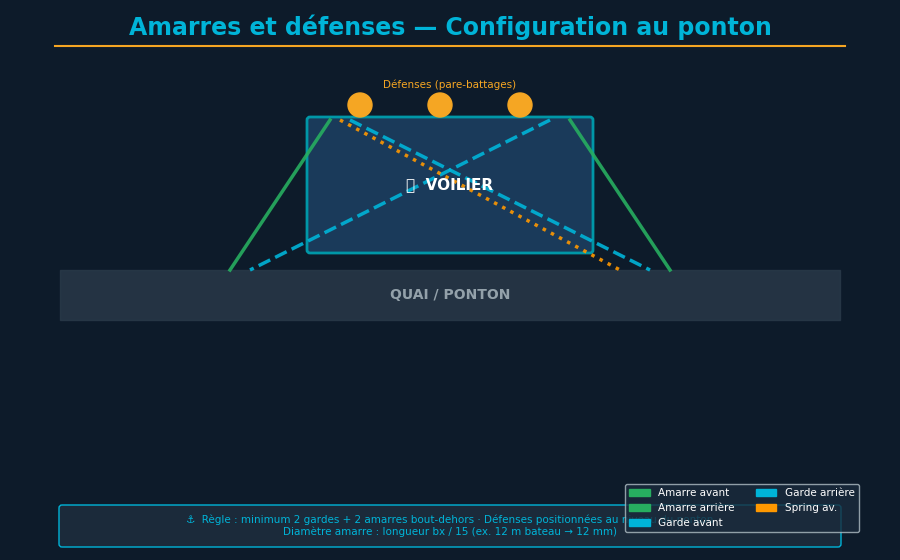
Absolute minimum is 4 fenders—two per side (port and starboard). A 30-foot boat needs 4 to 6 fenders; a 40-footer needs 6 to 8. Cruising yachts typically carry 8 to 12. Include extra fenders for bow (anchoring alongside) and stern (Mediterranean mooring) situations.
Invest in at least one spare fender stowed safely below. Fenders deflate, wear out, get lost. Having a backup prevents marina emergencies and expensive hull damage.
Fender Attachment Methods
Attachment must be robust yet non-damaging. Most use rope threaded through the fender, secured to fixed points on the boat.
Stanchion Mounting
Traditional stanchion attachment via two simple eight-knots remains standard. Ensure stanchions are sound and well-fastened to the hull before using them to support fender weight. For larger boats, consider dual attachment points for redundancy.
Toe-Rail Systems
Toe-rail mounted systems use specialized brackets riveted or bolted to the rail. More secure than rope alone, distributing load over a wider area. Initial investment higher but superior stability and safety over time.
Fender Steps
A fender step (or stanchion spreader) holds the fender away from the hull, creating clearance. Useful for larger yachts where fender weight could crush the rail. Enables lower, more effective positioning.
Mooring Line Materials and Types
Lines must withstand enormous forces during docking and storms. Material choice affects durability, elasticity, and handling.
Polyester 3-Strand
Classic 3-strand polyester offers excellent value. Low elasticity (5-7%) means minimal stretch but abrupt shock absorption. Ideal for spring lines and bow lines needing rigidity. Typical diameter: 10-12mm for 30-foot boats. Less pleasant to handle than newer materials.
Double-Braid Polyester
Double-braid (8-braid cover over core) feels smoother, is more pleasant to handle, and offers slightly higher elasticity (8-10%). Better UV resistance and longevity than 3-strand. More expensive but superior durability and crew comfort. Excellent all-purpose choice.
Nylon (Polyamide)
Nylon is extremely elastic (15-20%), making it ideal for stern lines absorbing shock as the boat approaches the dock. Excellent in heavy weather as it stretches gradually rather than snapping. Disadvantages: heavier than polyester, less UV-resistant, prone to mildew if not dried properly.
Calculating Line Sizes
Breaking load must match your boat weight and mooring configuration.
Breaking Load Calculation
Rough rule: breaking load minimum = boat weight in tons × 1.5 to 2. A 12-ton boat needs 18-24 tons breaking load. For 12mm polyester, that's approximately 15-20 tons. For 10mm nylon, 18-25 tons due to superior elasticity.
Number and Types of Lines
Minimum: two bow lines, one stern line, one spring line. For storm security, double these. Each should be at least 2.5× boat length to achieve optimal 30-45 degree angle to dock.
Chafe Protection
Line wear from friction against boats fittings is a major failure cause. Essential protection:
- Chafe-guard rubber or neoprene boots sliding over rope
- Leather wraps around contact points
- Spiral protective sleeves
- Regular line rotation to distribute wear
Lines showing significant wear must be replaced immediately. Regular maintenance of contact areas (cleaning, rounding sharp edges) extends line life years.
Install rubber washers or spiral protection at cleat pass-throughs. This reduces wear by 50% and extends line life 3-5 years.
Essential Knots and Securing Techniques
The Cleat Hitch
Most used for securing to cleats. Technique: pass line across cleat diagonally once, then figure-eight pattern across the cleat. Critical: final turn must be tucked under to allow one-handed release. Test yourself—you should release with one hand without assistance.
The Bowline
Creates a fixed loop that won't slip. Technique: form small loop on main line, pass working end up through it, around the main line, back down through the loop. Extremely strong and legendary for robustness. Difficult to undo after heavy load but that's its strength.
Round Turn and Two Half Hitches
For quick temporary attachment with easy release: two complete wraps around dock post or cleat, finished with two half-hitches. Perfect for emergency or temporary situations. Less robust than bowline under extreme load but faster.
Mediterranean Stern-To Mooring
Stern-to mooring (anchor forward, lines to dock aft) is Mediterranean standard. Procedure: deploy single or double anchor depending on depth, pay out 30-50 meters of chain or rope. Back the boat toward dock and secure two stern lines. Configuration enables water access and stern bathing.
Safety: use certified anchor chain (minimum 8mm). Stern lines must be nylon to absorb boat movement. In storms, add a snubber line and verify anchor set before leaving the boat unattended.
Install a "lazy line"—backup mooring line from boat to dock cleat or rock. Stays slack normally but provides immediate backup if main anchor slips or primary line fails.
Storm Mooring Procedures
Bad weather mooring requires extra precautions:
- Double all lines 2 hours before bad weather arrival
- Verify all attachments and check for visible wear
- Install snubbers on primary lines to absorb shock
- Use nylon for shock-absorbing lines (stern, spring)
- Keep backup lines accessible and ready
- Have an emergency evacuation plan if mooring fails
- Monitor regularly (hourly) for drift during the storm
Purchasing and Maintenance
Recommended Quality Brands
Fenders: Plastimo, Polyform, Force 4, Beaux. Lines: New England Ropes, Marlow, Samson, Dukarella. These brands offer real-world tested products with solid warranties and parts availability. Cheaper off-brand sources risk counterfeit or obsolete products.
Regular Maintenance
Monthly inspection: look for surface wear, softened areas (water damage), cracks, significant discoloration. Clean fenders with fresh water and neutral soap; dry thoroughly before storage. Wet lines need 24-48 hours drying before storage to prevent mildew. Replace all lines every 2-3 years even if visually acceptable—polyester degradation reduces breaking load 20-30% invisibly.
Conclusion
Fenders and mooring lines are simple investments protecting against costly hull damage. A proper $700-$1,200 fenders-and-lines budget for a 30-40 footer provides reliable, durable equipment. Replacing a damaged hull costs tens of thousands. Learning proper knots and techniques saves time, frustration, and potentially catastrophic incidents. Inspect equipment regularly, master correct techniques, and dock with confidence.
Secure Your Mooring
YachtMate helps you monitor weather conditions and anticipate risks when docking at marinas.
Discover YachtMate