
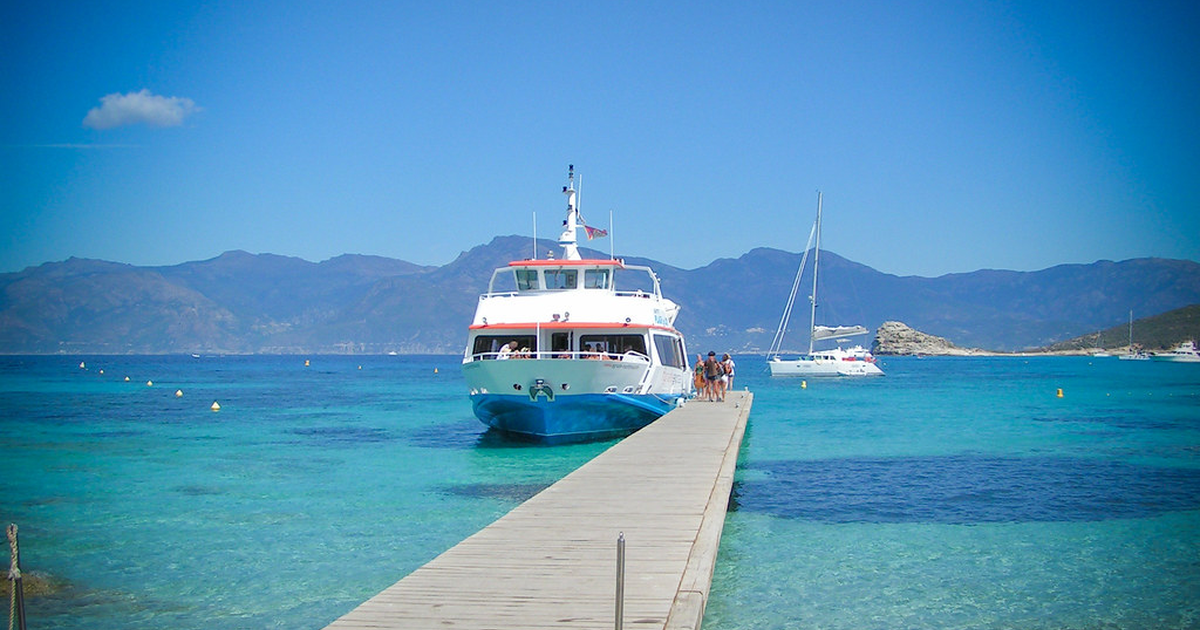
Guide to Corsica's Most Beautiful Anchorages
Corsica offers exceptional variety of anchorages from isolated coves to protected bays. Each season reveals treasures: summer Lavezzi islands, spring Piana calanques, autumn Cap Corse bays. This guide covers 15 best anchorages accessible to 8-20 meter sailboats with details on bottom holding, wind shelter, available services.
Corsican sailing demands respect for fragile environment and strict regulations. Many moorings are regulated; anchoring over Posidonia seagrass is absolutely forbidden. Prefer sandy zones or official mooring buoys when available. Summer overcrowding is significant; arrive early or choose off-season for genuine tranquility.
Weather and Seasonality Patterns
Corsican summers offer light wind but numerous tourists and boats. Spring (April-May) and autumn (September-October) combine pleasant conditions with moderate crowds. Winter (November-February) brings strong winds, especially northerly Mistral and Tramontane; unprotected anchorages become untenable. Corsican currents can prove tricky near east coast; carefully consult current charts before anchoring.
Piana Calanques and Surroundings
Piana Calanque - Sailor's Dream
Arguably Corsica's most spectacular anchorage with dramatic red granite cliffs dominating crystalline turquoise water. Bottom excellent (fine sand, good holding) to 8 meters. Strong shelter from east-southeast winds, poor from north Mistral. Summer means scarce comfortable anchorages; arrive before 11am or anchor in small eastern cove (rocks separating zones). Constant tour boat traffic.
Piana village 2km away (walking or bicycle). Restaurants touristy and expensive but authentic Corsican cuisine rewards spending. Freshwater from village fountain, fuel 10km at Calvi.
- Bottom holding — Fine sand, excellent (40-50m anchor chain minimum)
- Shelter — NE to SE good; poor north Mistral
- Services — Restaurant, water (difficult access), limited supplies
- Traffic — Very high July-August, moderate off-season
Girolata - Peaceful Piana Alternative
Just 3 miles northwest of Piana, Girolata offers wilder atmosphere with equivalent shelter. Similar bottom (sand then deeper rocks). Pretty village faces mooring with 2-3 guesthouses. Sea approach more spectacular than land access. Little tourist traffic, true haven for tranquility-seeking sailors.
Corsica's finest anchorages often remain least known and least commercialized. The effort discovering them rewards you with incomparable beauty and genuine tranquility.
Lavezzi Islands and Maddalena Archipelago
Lavezzi Islands - Southern Paradise
South of Bonifacio, Lavezzi islands form white granite archipelago with exceptional turquoise water. Primary anchorage lies between Cavallo and Lavezzi islands. Immaculate white-sand bottom, excellent holding to 15 meters. Good shelter from north-west winds, poor from east Levant. Summer sees heavy anchoring; beach access limited to 200-300 simultaneous visitors (strict marine park regulations).
No onboard services. Resupply at Bonifacio (5 miles). Crystal waters and rocky bottoms offer Mediterranean's finest diving. Lavezzi-Bonifacio Straits transition requires strict respect: no Posidonia anchoring, marked diving circuits, speed restrictions.
Maddalena Islands (Sardinia) - Logical Extension
Maddalena islands (Italy, 8 miles from Bonifacio) perfectly complement Corsica-Sardinia cruises. Primary anchorage (Cala Gadir or Santa Maria) offers sand and reasonable holding. Less crowded than Lavezzi, more services (restaurants, water, supplies). Customs formalities (Schengen) minimal for EU pleasure boats.
Record favorite anchorages in YachtMate with exact GPS coordinates, observed weather conditions, and anchorage sketches. This creates personal database invaluable for future sailing plans.
Cap Corse and Northern Anchorages
Macinaggio - Ideal Departure Base
At Cap Corse's northern tip, Macinaggio welcomes sailors from Provence or Italy. Port offers berths with all services: water, electricity, fuel, mechanical support. Bay also provides good anchorage (sand, adequate holding) for boats without pier space. Moderate shelter north winds (Mistral), good south winds.
Macinaggio serves launching point for Cap Corse exploration: Centuri (5 miles N, picturesque port), Nonza (7 miles S, remarkable black cliff), small coves between.
Centuri - Authentic Fishing Village
Small natural harbor ranks among Corsica's prettiest villages. Anchorage narrow but relatively safe (sand, good holding). Fishing-quay berthing available (interesting fisher interaction). Excellent fresh-fish restaurants. No onboard water (plan reserves) but small grocery and bakery available.
East Coast: Lesser-Known Anchorages
Moriani and Saint-Nicolas Bay
East Corsica sees fewer boats (less dramatic scenery, less mountain relief) but offers excellent anchorages: Moriani (sand bottom, good shelter), Saint-Nicolas Bay at Lumio (sand-rock mix, excellent northeast shelter). Ideal during strong north winds when west coasts impossible. Sand beaches, less crystalline water than west, intact local Corsican atmosphere.
Bastia - Practical Waypoint Port
Bastia offers modern commercial port with complete services (fuel, water, electricity, mechanics, full supermarket). Anchorage possible but tight and sometimes rough. City merits visit (historic Old Town, citadel). Point for laundry, showers, complete resupply before exploring islands or Cap Corse.
Plan legs between anchorages using YachtMate to estimate sailing time, expected conditions, available services at each stop.
Secret Coves and Lesser-Known Moorages
Capo d'Orto (Northwest)
Small northwest anchorage accessible only favorable weather. Sand bottom, excellent northwest shelter. Light traffic, often deserted off-season. Hiking access to forested mountains. Perfect for tranquility-seeking sailors.
Sanguinaire Islands (West Coast)
Three small granite islands opposite Ajaccio with narrow surrounding moorages. Rocky bottom, good holding. Moderate shelter (northwest). Weather-dependent access. Wild islands (fauna protection), explore by dinghy. Unforgettable Ajaccio sunsets.
Practical Advice for Corsican Coastal Navigation
Safety and Regulations
Consult prefectural regulations before each anchorage (access restrictions, mooring limitations, regulated zones). Corsica strictly enforces environmental rules. Report wrecks or floating hazards to VTS Corsica. Summer coast currents run 1-2 knots southward; incorporate carefully into route planning.
Provisions and Services
Water and fuel available at major ports: Calvi, Bonifacio, Bastia, Ajaccio. Remote anchorages demand adequate reserves. Ice scarce in Corsica; stockfreshness alternatives (eggs, cheese, canned goods). Internet slow in coastal villages (Corsica less developed than mainland).
Conclusion: Planning Your Corsica Cruise
Successful Corsica sailing savors boat's rhythm without hurrying unnecessarily. Allow 2-3 weeks exploring without stress. Overcrowded summer moorages gain serenity May-June or September-October. Autumn offers stability and unforgettable golden colors. Corsica remains privileged Mediterranean destination for sailors seeking beauty and authenticity.
Practical Experience and Continuous Learning
Experience accumulated over time becomes your best teacher in this specific domain. Every voyage, every challenge encountered contributes to your personal expertise. Systematically document your observations, solutions discovered, and results to create valuable knowledge base for future sailing adventures.
Sharing Experience with Community
The sailing community is generally welcoming and generous with sharing experiences and knowledge. Joining specialized forums, online discussion groups, or attending sailor gatherings enables exchanging with other enthusiasts and learning from their respective experiences. This mutual exchange significantly enriches your understanding and practical skills.
Continuous Training and Educational Resources
Maritime field constantly evolves with regular technology innovations, regulatory modifications, and discovery of better practices. Investing in continuing education—through formal courses, specialized readings, or technical webinars—keeps you updated and significantly improves your safety and overall navigation competence.
Integration with Other Onboard Systems
Modern boat systems function not in isolation but as part of integrated ecosystem where each component interacts with others. Understanding these interconnections proves crucial for optimizing overall performance and troubleshooting effectively when problems arise.
Compatibility and Interactions
Before adding new equipment or system, carefully verify compatibility with existing installations. Conflicts between systems cause unexpected malfunctions, energy efficiency loss, or even material damage. Meticulous planning during design phase prevents many costly future complications.
Long-Term Budget Planning
Managing boat budget requires long-term vision and strategic planning. Beyond immediate operational costs, anticipate future equipment replacements, technology updates, and major maintenance predictable as boat ages. Proper planning prevents emergency funding crises and reduces financial stress significantly.
Expense Optimization
Seek opportunities reducing costs without compromising quality or safety. This includes group purchasing with fellow sailors, negotiating with regular suppliers, rigorous preventive maintenance avoiding costly repairs, or researching equivalent alternatives at better market prices.
Advanced Technical Deep Dives
Understanding advanced technical aspects helps you maximize system performance and identify issues before they become serious problems. Technical knowledge empowers you to make informed decisions about upgrades, modifications, and troubleshooting procedures that could save thousands in unnecessary repairs.
Pressure and Performance Metrics
Monitoring key performance indicators—pressure gauges, flow rates, temperature variations, and efficiency percentages—provides insight into system health. Regular baseline measurements allow detecting gradual degradation before complete failure occurs. Most experienced sailors maintain detailed logbooks tracking these metrics monthly, creating historical trends useful for predictive maintenance planning.
Common Failure Patterns and Prevention
Certain components fail in predictable patterns based on usage frequency, environmental conditions, and maintenance quality. Learning these patterns helps you replace components preventively before failure, avoiding emergency situations far from qualified help. Vibration, temperature changes, and water quality variations all contribute to accelerated wear of specific components.
Environmental and Sustainability Considerations
Modern sailing increasingly emphasizes environmental responsibility and sustainability. Understanding ecological impact of your practices and equipment choices aligns sailing with contemporary values and often proves economically beneficial through reduced waste and efficient resource usage.
Waste Minimization Strategies
Implement practices reducing material waste aboard and marine environment impact. Proper disposal of used oil, batteries, and other hazardous materials protects fragile marine ecosystems. Many cruising destinations now have marinas and waste collection facilities specifically supporting environmentally conscious sailors, making sustainable practices increasingly practical and supported.
Future Technology and Innovations
Marine technology evolves rapidly with increasingly sophisticated systems becoming standard. Stay informed about emerging technologies—lithium batteries, advanced sail materials, automated systems, renewable energy solutions—to understand future possibilities for enhancing comfort, safety, and efficiency of your sailing adventures. Early adoption of promising technologies can provide competitive advantages and improved experiences.
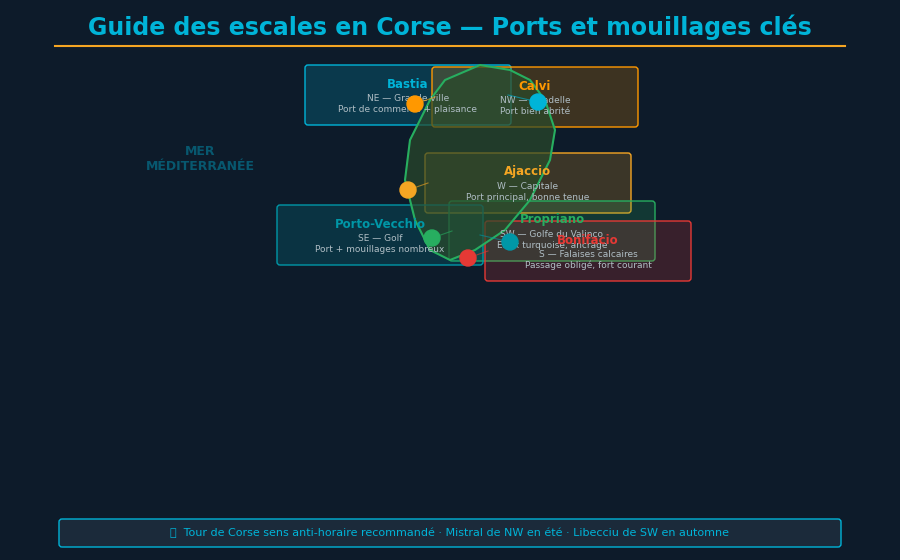
Plan Your Corsica Cruise with YachtMate
Chart routes, document anchorages, weather conditions and discover best sailing spots.
Discover YachtMate →